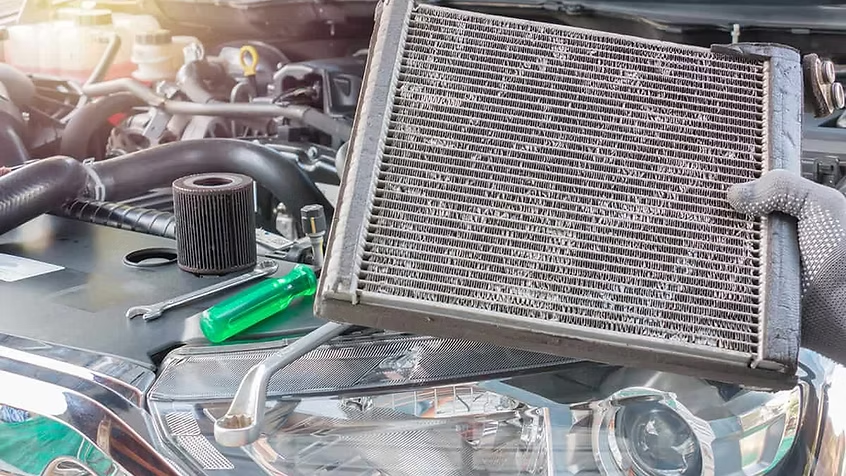
Morocco Heatwave Cars face added pressure as temperatures reach 45°C, testing engine cooling systems, batteries, tyres, air conditioning and EV performance.
Morocco’s Heatwave Tests Car Cooling Systems and Battery Performance
The latest Morocco heatwave: Cars are facing challenging operating conditions as temperatures rise sharply across parts of the country. In September 2026, Morocco’s General Directorate of Meteorology warned of temperatures reaching as high as 45°C in several provinces, with particularly hot conditions affecting inland and southern areas.
For motorists, extreme heat is more than an issue of cabin comfort. High temperatures place additional demands on engine cooling systems, air conditioning, conventional batteries, tyres and, increasingly, electric-vehicle battery systems.
Engine Cooling Systems Face Extra Pressure
The Morocco Heatwave Cars market includes thousands of petrol and diesel vehicles that depend on properly functioning cooling systems to control engine temperature. During very hot weather, cooling systems have to remove heat more aggressively, particularly when vehicles are stuck in traffic or climbing roads.
Coolant level and condition therefore become important. AAA recommends checking coolant, hoses, and belts before periods of extreme heat because worn components can contribute to overheating and breakdowns.
Drivers should also pay attention to warning lights, unusual smells, rising temperature gauges, or coolant leaks rather than continuing to drive a vehicle showing signs of overheating.
Air Conditioning Becomes a Major Load
The Morocco Heatwave Cars experience is also heavily influenced by air-conditioning performance. At temperatures approaching 40°C or higher, drivers may depend on the A/C for much of the journey, increasing the demand placed on the vehicle’s electrical and mechanical systems.
A weak A/C system can become particularly noticeable when a car is parked in direct sunlight and then driven during the hottest part of the day. Checking refrigerant levels, cabin filters, compressor operation, and airflow before a long trip can help prevent discomfort and unexpected problems.
EV Batteries Also Need Thermal Management
The Morocco Heatwave Cars trend increasingly includes electric vehicles, making battery temperature an important consideration. Extreme temperatures can affect EV efficiency and range because additional energy may be required to cool the cabin and manage battery temperature. The U.S. Department of Energy notes that extreme outside temperatures can reduce EV range because more energy is needed for cabin heating or cooling.
Battery thermal management is particularly important during demanding driving and high-power charging. Research published in 2026 highlights the importance of active battery cooling under severe driving cycles, while battery temperature is also linked to long-term durability.
For Moroccan EV owners, parking in shade where possible and following the manufacturer’s charging and temperature recommendations can help manage heat exposure.
For drivers exploring vehicles across African markets, AfriCarGroup Auto24 can also be useful for comparing different models and vehicle options.
Tyres and Conventional Batteries Matter Too
The Morocco Heatwave Cars issue extends beyond engines and EV systems. High road temperatures can increase tyre stress, particularly when tyres are underinflated. AAA notes that underinflated tyres can generate additional heat and increase the risk of tyre failure.
Conventional 12-volt batteries are also vulnerable to prolonged heat. High temperatures can accelerate battery deterioration and reduce service life, making battery testing worthwhile before extended summer driving.
Preparing Cars for Morocco’s Extreme Heat
The Morocco Heatwave Cars situation highlights the importance of preventive maintenance. Drivers should inspect coolant levels, hoses, belts, tyres, battery condition and A/C operation before undertaking long journeys.
It is also sensible to avoid leaving children, pets or vulnerable passengers inside parked vehicles, even for short periods. A parked car can become dangerously hot much faster than the outside temperature suggests.
Conclusion
The Morocco Heatwave Cars challenge shows how extreme temperatures can affect almost every major part of a vehicle. Engine cooling, air conditioning, tyres, and conventional batteries all require attention, while EV owners must also consider battery thermal management and additional energy consumption from cooling systems.
With temperatures reaching 45°C in parts of Morocco during the latest heatwave, regular maintenance is becoming even more important for safe and reliable driving.
CTA:
How is the extreme heat affecting your car in Morocco? Share your experience in the comments and tell us which vehicle component you think needs the most attention during a heatwave.