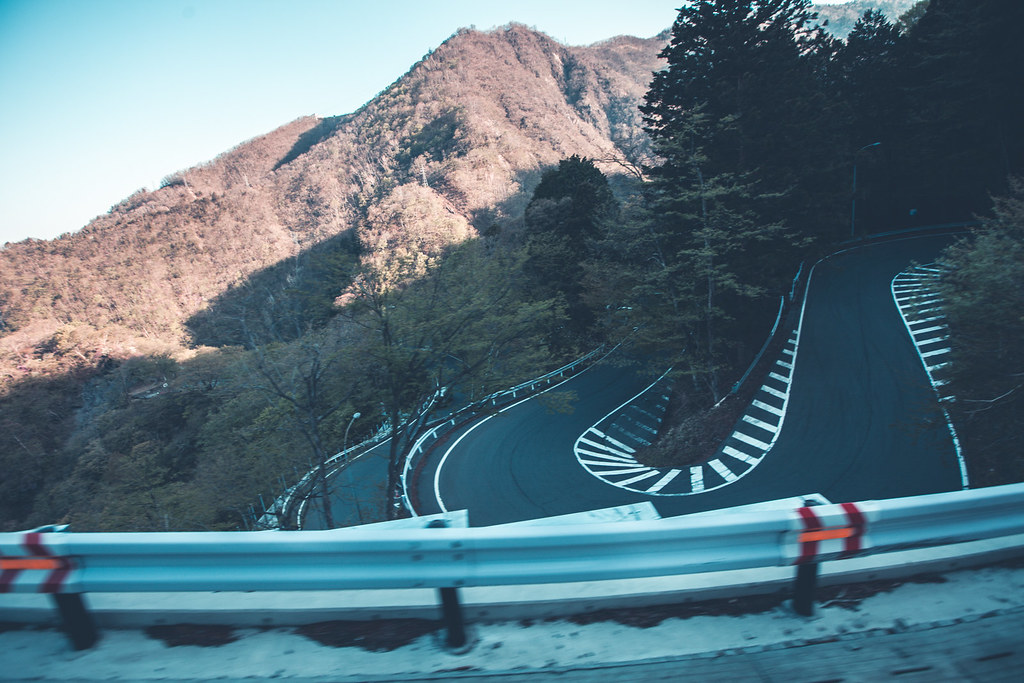
Tizi n’Tichka Driving takes motorists across Morocco’s High Atlas on a winding N9 route with steep climbs, hairpin bends, and changing weather.
Excursion: Crossing the Tizi n’Tichka by Car: What Drivers Face on Morocco’s Mountain Route
A Tizi n’Tichka Driving excursion is one of Morocco’s most memorable road experiences. The N9 crosses the High Atlas between Marrakech and Ouarzazate, reaching about 2,260 metres above sea level. Although sections of the road have been widened and resurfaced, drivers still face a genuine mountain route with repeated bends, gradients and changing weather.
For motorists, the journey is as much about preparation and concentration as it is about spectacular scenery.
Prepare the Car Before the Mountain Climb
Good preparation is essential for Tizi n’Tichka Driving. Before leaving Marrakech, check the tyre pressures, tread condition, brakes, engine oil, and coolant. A mountain journey places additional demands on the vehicle, particularly during long climbs and descents.
It is also sensible to have enough fuel before entering the more remote sections of the route. A quick inspection of the lights and windscreen wipers is worthwhile because visibility can change quickly at higher elevations.
Expect Hairpin Bends and Slow Traffic
The N9 is a paved road, but it is not a motorway. Drivers encounter numerous hairpin bends and may need to share the road with trucks, buses and other slower vehicles. Recent accounts of the route note that road improvements have made the crossing easier than in previous years, but the mountain character of the road remains.
During Tizi n’Tichka Driving, patience is particularly important. Avoid overtaking when approaching blind corners or when visibility is restricted. Let slower vehicles maintain their pace rather than forcing a risky manoeuvre.
Use Lower Gears on Descents
The descent can be just as demanding as the climb. Drivers should use an appropriate lower gear to help control speed and reduce reliance on continuous braking.
Keeping a safe gap from vehicles ahead also gives you more time to react when traffic slows suddenly on a bend.
Watch the Weather at Higher Elevations
One of the biggest differences between driving around Marrakech and crossing the High Atlas is the weather. Conditions at the summit can be considerably colder than in the city, and winter can bring snow or ice. Mountain roads can become particularly hazardous during poor weather.
For that reason, check the latest road and weather conditions before departure, especially during winter. If conditions deteriorate, delaying the crossing can be safer than continuing simply to maintain your schedule.
Take Breaks and Enjoy the Scenery
The route rewards drivers who slow down at suitable stopping points. The landscape changes dramatically as the road climbs, moving from greener valleys around the northern side toward more rugged, drier terrain beyond the pass.
A planned break also helps reduce fatigue. The Marrakech–Ouarzazate journey is roughly 200 km and can take considerably longer than the distance suggests because of mountain bends, traffic and sightseeing stops.
Choose a Suitable Vehicle
A normal passenger car can handle the paved N9 in suitable conditions, so an SUV or 4×4 is not automatically necessary for the main crossing. However, a vehicle with good tyres, reliable brakes and sufficient mechanical condition is far more important than simply choosing a larger vehicle.
Drivers planning to leave the main route for rougher mountain tracks should check the road conditions and vehicle requirements separately.
For motorists planning more Moroccan road excursions, AfriCarGroup Auto24can also be useful when comparing different vehicle options for mountain and long-distance driving.
Conclusion
Tizi n’Tichka Driving combines steep mountain terrain, winding roads, changing weather and remarkable High Atlas scenery. The route has improved considerably in recent years, but drivers still need to treat it as a mountain crossing rather than an ordinary highway journey.
With a properly checked vehicle, controlled speed, sensible overtaking decisions, and enough time for breaks, the drive can become one of the highlights of a Morocco road trip.
Have you crossed the Tizi n’Tichka by car? Tell us about the vehicle you used and the road conditions you experienced in the comments.