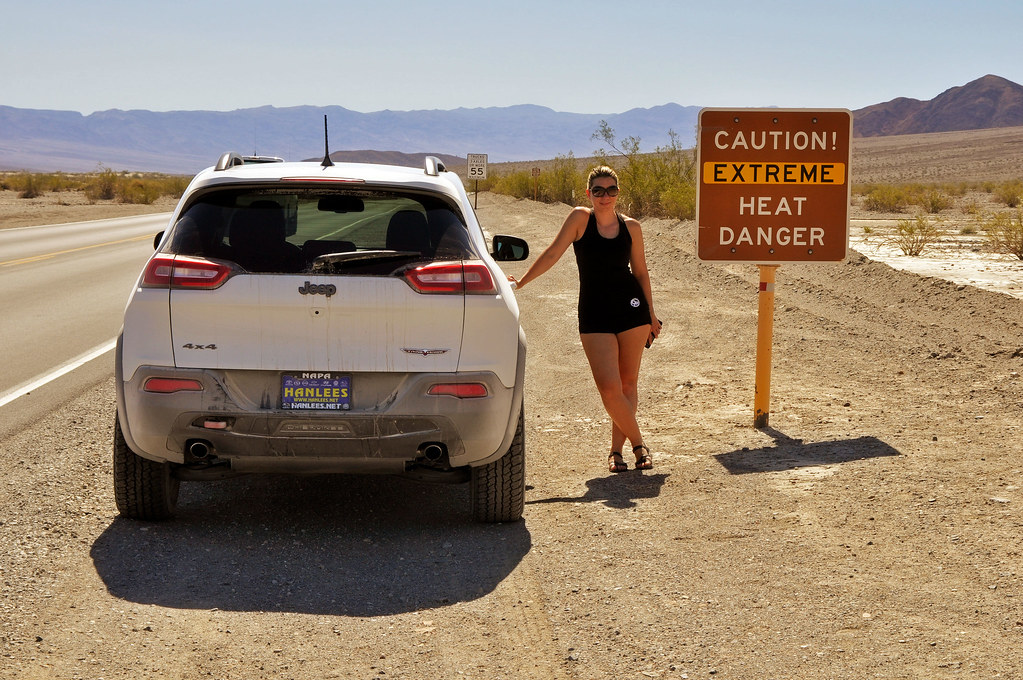
Morocco Car Heat Protection is essential during extreme temperatures, with cooling systems, tyres, batteries, and interiors facing additional heat stress.
Car Tips: How to Protect Your Car From Extreme Heat in Morocco
Extreme temperatures can put additional stress on vehicles, particularly during Morocco’s hottest periods. In July 2026, Morocco’s national meteorological service reported temperatures more than 5°C to 12°C above seasonal averages, with more than nine cities recording temperatures above 40°C on July 1.
For motorists, Morocco Car Heat Protection should therefore be part of routine summer maintenance. Engine cooling, tyres, battery performance, air conditioning and the vehicle’s interior can all be affected when a car spends long periods in intense heat.
Check the Cooling System Before Hot Weather
The engine cooling system is one of the most important areas to inspect before a period of extreme heat. Low coolant levels, damaged hoses, or a cooling fan that is not operating correctly can increase the risk of overheating.
The Met Office notes that cooling-related faults, including problems with cooling fans or insufficient coolant, are among common causes of summer breakdowns. It recommends checking oil and coolant levels before long journeys and having the cooling system inspected when necessary.
For Morocco Car Heat Protection, motorists should follow the manufacturer’s recommended coolant type and service intervals rather than simply adding water whenever the level falls.
Keep an Eye on the Battery
High temperatures can also affect automotive batteries. Drivers should inspect the battery terminals for corrosion and make sure connections remain secure.
A battery that is already old or weak may become more likely to cause problems when exposed to demanding conditions. If the vehicle has shown slow starting or electrical issues, having the battery tested before the hottest period can help identify a problem early.
Protect the Tyres From Heat
Tyres are another important consideration in hot weather. Drivers should check tyre pressures when the tyres are cold and follow the pressure recommended by the vehicle manufacturer.
Under-inflated or damaged tyres can be particularly problematic during long highway journeys because heat builds up as the tyre flexes. Drivers should also inspect the tread and sidewalls for cracks, cuts, or other visible damage.
Avoiding unnecessary overloading is another useful precaution, as additional weight increases the demands placed on tyres.
Park in the Shade Whenever Possible
Direct sunlight can turn a parked vehicle into an extremely hot environment. Whenever possible, motorists should park in a garage, covered area or shaded location.
A windshield sunshade can reduce direct solar exposure inside the cabin, while using a covered parking space can also help protect dashboard materials, seats and other interior surfaces from prolonged sunlight.
Morocco’s official weather service advises people to avoid exposure during the hottest part of the day during heatwaves, particularly between 11 am and 9 pm.
For motorists researching vehicles suitable for Morocco’s varied climate, AfriCarGroup Auto24 can also be useful for comparing vehicle specifications and different models.
Give the Air Conditioning System Attention
A properly functioning air-conditioning system becomes much more important when temperatures climb above 40°C. Drivers should not ignore weak airflow, unusual smells or an A/C system that takes unusually long to cool the cabin.
The cabin air filter should be replaced according to the manufacturer’s schedule, while refrigerant-system problems should be checked by a qualified technician.
Do Not Ignore Warning Signs
If the temperature gauge rises above its normal position, a warning light appears or steam comes from under the bonnet, drivers should stop safely and allow the vehicle to cool rather than continuing to drive.
Opening the bonnet can help heat escape, but motorists should avoid opening a hot cooling system or radiator cap because pressurised coolant can cause serious burns.
Prepare for Long Moroccan Road Trips
Extreme heat becomes an even greater concern during long journeys through Morocco’s interior and southern regions. Before departure, check coolant, oil, tyre pressure, battery condition and spare-tyre pressure.
Drivers should also carry sufficient drinking water and monitor official weather and road information. Morocco’s meteorological service maintains an official vigilance system covering heatwaves and other hazardous weather events.
Conclusion
Morocco Car Heat Protection is especially important when temperatures rise sharply across the country. A healthy cooling system, correctly inflated tyres, a reliable battery, and functioning air conditioning can make a significant difference during hot-weather driving.
Regular inspections and sensible parking habits can also help protect the vehicle from unnecessary heat exposure. What is your most important car-care tip for surviving Morocco’s hottest days? Share it in the comments