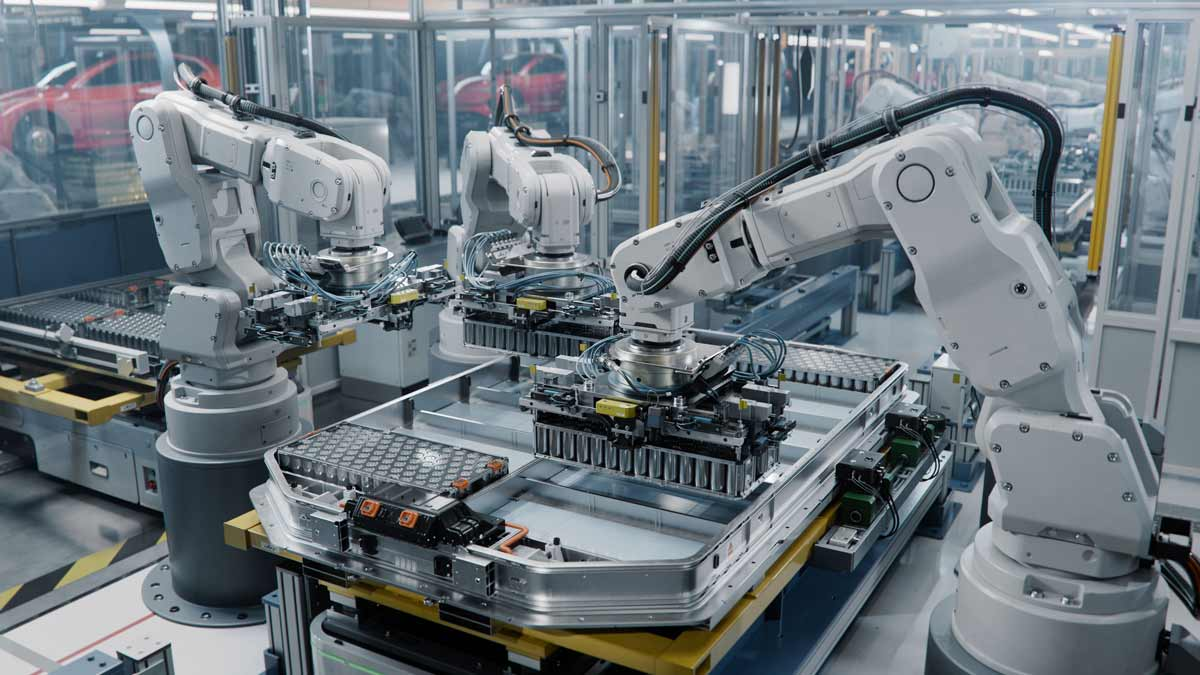
Morocco Automotive Water Use is becoming a key sustainability issue as car factories adopt recycling, treated water, and resource-efficient production methods.
How Morocco’s Automotive Factories Are Reducing Water Use in Vehicle Production
Morocco has become one of Africa’s major vehicle manufacturing hubs, with large production facilities in Tangier and Kénitra supplying vehicles and components to international markets. Renault’s Moroccan operations produced around 394,000 vehicles in 2025, while Stellantis continues expanding production at its Kénitra complex.
As automotive production grows, factories need to manage resources carefully. Water is particularly important because Morocco has faced significant water stress in recent years. This makes Morocco Automotive Water Use an increasingly important part of the country’s industrial sustainability strategy.
Why Water Matters in Car Manufacturing
Vehicle production involves several processes where water can be required, including cleaning, surface treatment, painting, cooling, and other industrial operations. Large factories can therefore consume substantial amounts of water if systems are not designed for reuse.
Morocco’s broader industrial strategy is responding to this pressure. In 2026, the country’s industry minister said water efficiency had become an important requirement for new industrial investments, with greater reliance planned on desalination and treated wastewater instead of drinking water.
For automotive manufacturers, improving water efficiency can help reduce pressure on local supplies while allowing production capacity to continue expanding.
Renault Uses Closed-Loop Water Recycling
Renault’s Tangier plant provides a notable example of industrial water management. The facility uses a closed-loop industrial water recycling system to limit resource consumption within the site. The factory has also developed a broader environmental strategy, with biomass heating and wind energy reportedly supplying around 90% of its energy requirements.
This approach is particularly relevant as Moroccan vehicle production increases. Instead of treating water as a resource that enters the factory and leaves as wastewater after one use, recycling systems can allow industrial water to circulate through suitable processes repeatedly.
For Morocco Automotive Water Use, this type of closed-loop system demonstrates how resource efficiency can become part of everyday vehicle manufacturing rather than a separate environmental project.
Kénitra Is Expanding Automotive Production
Morocco’s Kénitra automotive ecosystem is also growing rapidly. Stellantis began production of the Fiat Grizzly and Fiat Fastback at its Kénitra complex in July 2026, with the vehicles planned in thermal, hybrid, and electric versions. The site now has an installed capacity of 535,000 units annually, including passenger vehicles and micromobility products.
The expansion makes efficient resource management increasingly important. As production volumes rise, reducing water consumption per vehicle can help limit the environmental pressure associated with industrial growth.
New suppliers are also entering the ecosystem. BENTELER opened a new automotive facility in Kénitra in 2026, while other component manufacturers continue establishing operations around Morocco’s automotive clusters.
Treated Wastewater Can Reduce Pressure on Drinking Water
Water reuse is not limited to individual factories. Morocco is developing wider wastewater-treatment and reuse infrastructure that can provide alternative water supplies for activities that do not require drinking-quality water.
In the Rabat-Salé-Kénitra region, treated wastewater projects have already reduced potable water consumption by 11.7 million cubic metres. Treated water is used to irrigate public green spaces, demonstrating how recycled water can replace freshwater for suitable applications.
This wider infrastructure could support Morocco’s industrial transition by allowing factories to rely more heavily on treated water where technically appropriate.
Water Efficiency Could Shape Future Car Production
The importance of Morocco’s automotive water use will likely increase as the country attracts more automotive investments. Morocco recently completed a new Veritas automotive manufacturing facility in Tangier, while additional supplier plants are expanding the country’s industrial footprint.
For manufacturers, water-efficient production can involve recycling systems, leak detection, process optimization, wastewater treatment, and replacing potable water with treated or desalinated supplies where possible.
These measures are particularly significant because automotive production is becoming more diversified. Morocco now manufactures conventional vehicles, hybrid and electric models, as well as a growing range of components.
What Water-Saving Factories Mean for Cars
The environmental improvements happening inside factories may not be visible to motorists when they purchase a vehicle, but they can influence the overall sustainability of car production.
A vehicle manufactured with more efficient use of water, energy, and materials can have a smaller resource footprint during production. For Morocco, this is becoming an important consideration as the country strengthens its position as an international vehicle-exporting hub.
Drivers interested in the growing Moroccan automotive market can also explore available vehicles and automotive options through AfriCarGroup Auto24.
Conclusion
Morocco Automotive Water Use is becoming increasingly important as the country’s vehicle manufacturing sector expands. Renault’s Tangier plant demonstrates the potential of closed-loop industrial water recycling, while national efforts to expand treated wastewater use and reduce dependence on drinking water provide a broader framework for industrial conservation.
With production continuing to grow in Tangier and Kénitra, efficient water management can help Morocco balance automotive industrial development with the need to protect limited water resources.
What should Morocco’s car factories prioritize next: greater water recycling, more treated wastewater use, or completely closed-loop production systems? Share your thoughts in the comments.